

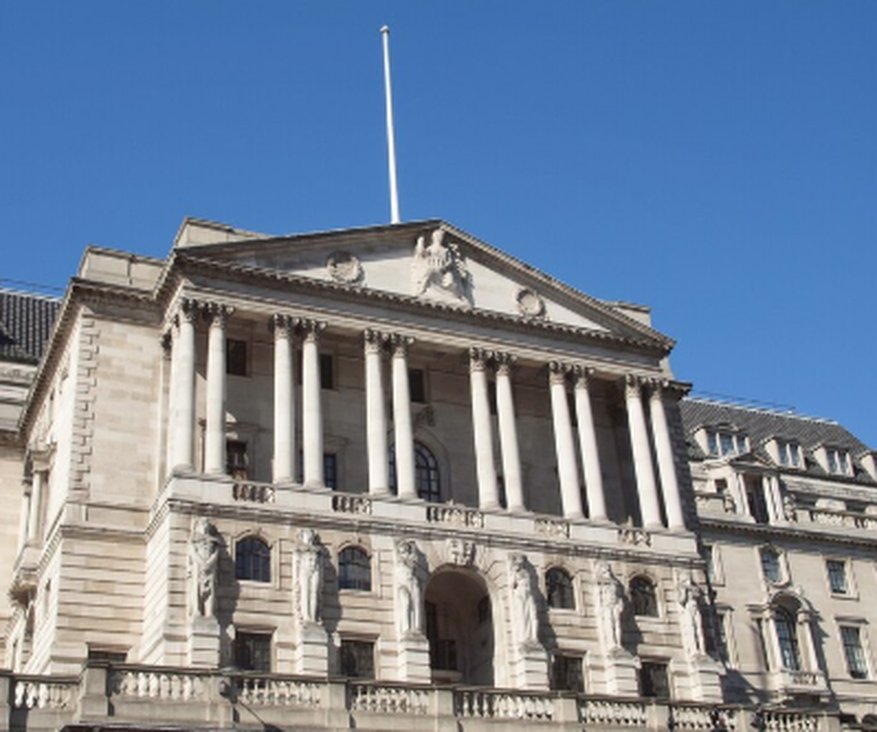
The year 2025 has proven pivotal for the financial lives of millions across the UK. As the country grapples with a mix of economic recovery, inflation control, and wage stagnation, the role of the Bank of England has become more prominent than ever. Its monetary policies are influencing not just institutions and investors.
For households and businesses alike, understanding how these decisions affect interest rates, borrowing, savings, and long-term stability is essential. From mortgage holders to young adults entering the job market, the ripple effects of central bank policy are tangible — and often immediate.
Why the Bank of England Holds So Much Influence
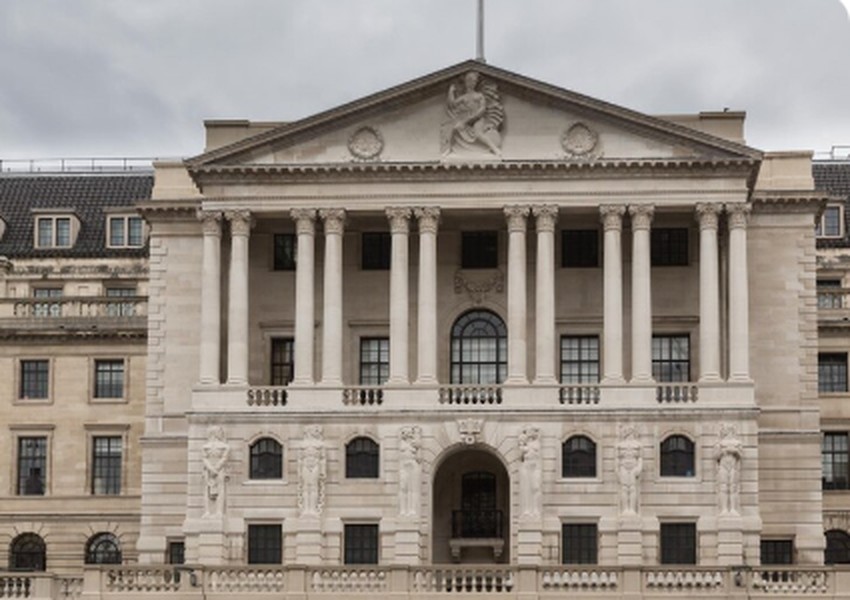
The Bank of England serves as the UK’s central monetary authority. It manages inflation targets, controls interest rates, and regulates the money supply. In 2025, its main objectives continue to be inflation stabilization and support for sustainable economic growth. These responsibilities directly affect the financial conditions.
When the Bank of England adjusts the base interest rate, it influences how much people pay on mortgages, credit cards, and personal loans. Likewise, those saving money may see greater returns, encouraging capital accumulation and spending restraint.
Interest Rate Shifts and the Impact on Borrowers
One of the most visible effects of the Bank of England’s decisions is the fluctuation in borrowing costs. In early 2025, the base rate saw incremental increases in response to persistent inflationary pressures. These changes have had significant consequences:
- Mortgage repayments have surged for homeowners on variable-rate agreements.
- Credit card debts have become more expensive to service, leading to rising delinquency rates.
- Personal and business loans now require more careful financial planning due to tighter affordability checks.
Borrowers must adapt strategically, either by renegotiating loan terms to secure more favorable conditions or by actively working to reduce their overall liabilities. This adjustment is essential to preserve long-term financial resilience.
Savers and Investors: Mixed Signals and Opportunities
On the other hand, the Bank of England’s rate hikes have offered relief to savers. After years of ultra-low returns, 2025 brought a more rewarding environment for deposit holders. Banks are now offering higher interest rates on savings accounts and ISAs, reviving a culture of saving that had dwindled during the previous decade.
However, for investors, the scenario remains more complex. While bond yields have improved, the stock market has shown increased volatility in response to monetary tightening. Those relying on dividends or capital gains must remain vigilant and diversified in their strategies.
Inflation Control: The Double-Edged Sword
To combat inflation, the Bank of England has employed a hawkish stance, tightening monetary policy more aggressively than in recent years. This has helped bring down consumer prices, particularly in essential areas like energy and transportation.
While these policies aim to stabilize the economy in the long term, their short-term effect has been to reduce disposable income for many, especially those with limited financial buffers. Budgeting has become more difficult, and financial inequality has deepened in certain regions.
Long-Term Implications for British Households
Looking ahead, the financial decisions made today by the Bank of England are likely to shape the economic trajectory for the next decade. Young people entering the workforce will find credit more difficult to access. To navigate this evolving environment effectively, individuals can consider:
- Reassessing fixed vs. variable rate borrowing.
- Increasing monthly savings contributions.
- Exploring inflation-linked investment products.
- Seeking financial advice before major purchases or commitments.
Conclusion: Staying Informed Is a Financial Necessity
In 2025, the decisions of the Bank of England are not abstract policy moves — they are direct influencers of how Britons live, spend, borrow, and plan. For those who stay informed and adapt accordingly, these changes may offer not just challenges, but strategic financial opportunities.
Understanding the relationship between personal finance and central bank actions has never been more important. As the economic climate continues to evolve, staying proactive and educated will be key to thriving in the years ahead.