

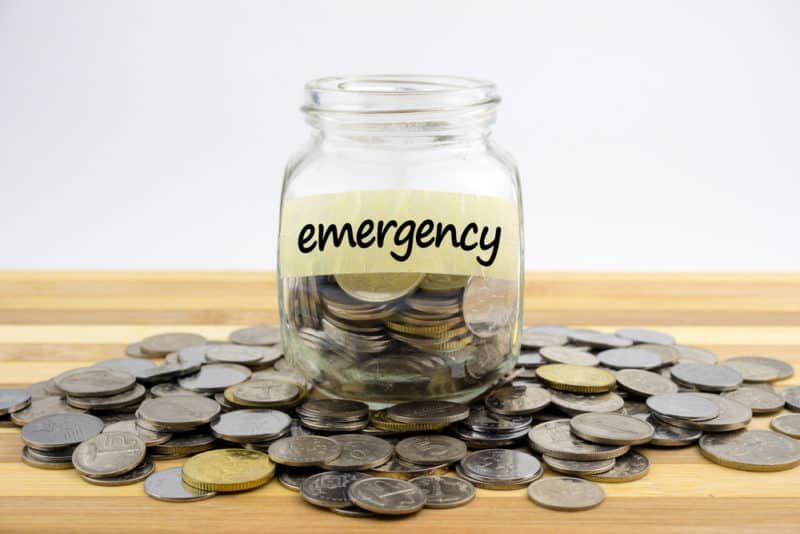
In a climate where inflation, interest rates, and market instability dominate headlines, having a reliable emergency fund has never been more essential. For many Britons, the recent economic fluctuations have served as a wake-up call to reassess financial priorities and adopt more resilient strategies. Establishing a solid financial cushion can protect you from unexpected expenses while ensuring peace of mind during turbulent times.
An emergency fund acts as a safety net, helping you handle unforeseen costs such as job loss, medical emergencies, or home repairs without resorting to credit. In the UK’s volatile economic environment, where prices and interest rates fluctuate constantly, the importance of this fund cannot be overstated. Understanding how to plan, build, and maintain your emergency fund can make a significant difference to your long-term financial health.
Why an Emergency Fund Matters More Than Ever

The British economy has faced persistent instability in recent years, with rising living costs and unpredictable policy changes. Without an emergency fund, many households find themselves forced to rely on high-interest loans or credit cards. This not only worsens financial stress but can also trap individuals in cycles of debt. Building your emergency fund provides the stability needed to navigate these challenges confidently and responsibly.
Moreover, an emergency fund encourages discipline in money management. It teaches individuals to separate essential savings from long-term investments, ensuring that cash remains accessible when needed most. This approach fosters healthier financial habits, especially in uncertain times.
How Much Should You Save?
Determining the ideal amount for your emergency fund depends on your income, lifestyle, and financial obligations. Experts generally recommend saving enough to cover three to six months of living expenses. However, for those in more volatile industries or with dependents, aiming for up to nine months’ coverage can offer greater security.
Before setting your target, list essential monthly expenses like rent, utilities, groceries, and insurance. Multiply this figure by the number of months you wish to cover to calculate your fund goal. Having a concrete number in mind provides motivation and direction as you build your emergency fund.
Smart Strategies to Grow Your Emergency Fund
Consistency is key when creating an emergency fund. Start by automating transfers from your main account to a separate savings account each month. This ensures regular contributions without temptation to spend the money elsewhere. Additionally, consider redirecting small windfalls — such as bonuses, tax refunds, or cashback rewards — directly into your emergency fund.
Avoid keeping your emergency fund in risky investments or accounts with withdrawal penalties. Instead, use a high-yield savings account or a money market account, which allows easy access while still earning modest interest. Over time, these choices strengthen your financial buffer and provide both liquidity and stability.
Common Mistakes to Avoid When Building Your Fund
Many people make the mistake of dipping into their emergency fund for non-essential expenses. To prevent this, establish strict rules for its use. Only withdraw money for genuine emergencies, not vacations or discretionary purchases. Furthermore, review your emergency fund every few months to adjust for inflation or changes in lifestyle costs.
Final Thoughts: Turning Financial Caution into Empowerment
Creating an emergency fund is not just about saving money — it’s about gaining control over your financial future. With thoughtful planning, patience, and consistency, anyone can build a buffer that brings stability amid economic uncertainty. It represents a proactive step toward financial independence, allowing individuals and families to face unexpected hardships without compromising their long-term goals or resorting to debt.
Ultimately, your emergency fund is a symbol of preparedness and self-reliance. It ensures that when life’s surprises occur, you can respond with confidence rather than panic. As the British economy continues to evolve, adapting to new realities and challenges, having this financial safeguard provides peace of mind and the flexibility to make sound decisions.