


Rising living costs have become one of the greatest challenges for urban dwellers, especially in global cities like London, New York, and Paris. The rent increase observed over the last few years has significantly reshaped how individuals manage their personal finances. As housing expenses consume a growing share of income, people are forced to rethink budgets, savings, and lifestyle priorities.
Many individuals now dedicate over half of their monthly income to rent, leaving little room for savings or emergencies. This rent increase not only strains disposable income but also creates long-term financial insecurity. For young professionals and families, renting in major cities has become less about comfort and more about survival. As wages fail to keep up with property costs, the dream of home ownership fades further away..
How Rent Increase Affects Everyday Budgets
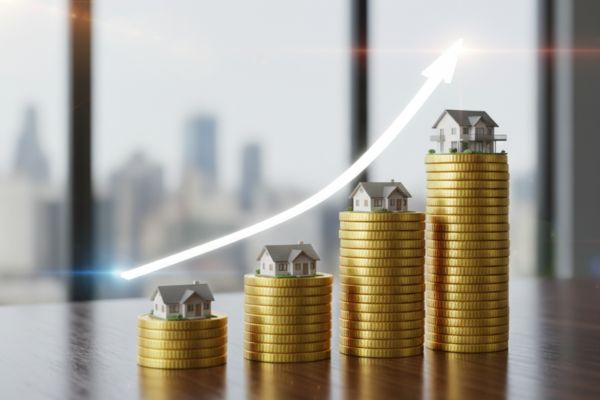
The first and most direct impact of the rent increase is on monthly budgeting. When rental costs rise faster than income, individuals are forced to make difficult trade-offs. Expenses such as leisure, travel, and even healthy eating become secondary priorities. Many households resort to cutting non-essential spending or taking on side jobs to maintain their standard of living.
This financial pressure has a domino effect on the economy. When people spend more on rent, they contribute less to other sectors such as retail or entertainment. This reduction in consumer spending limits economic growth and can even lead to job instability. In other words, the rent increase not only affects tenants but also impacts local businesses and overall economic health.
The Psychological Toll of Financial Stress
Beyond numbers, the rent increase also takes a psychological toll on residents. Financial stress, caused by constant worry about meeting rent deadlines, often leads to anxiety, burnout, and a decline in overall well-being. People working multiple jobs to cover rent expenses experience fatigue, reduced productivity, and less time for family or personal growth.
For many, this financial uncertainty has become a way of life. Even minor rent adjustments can trigger instability, especially in cities where competition for housing is fierce. The rent increase thus becomes more than a financial issue—it evolves into a mental health challenge that affects the quality of life for millions.
Strategies to Cope with Rising Rent Costs
Although the situation may appear daunting, there are still practical and realistic ways to handle the rent increase more effectively. By adopting a proactive mindset and reassessing personal priorities, individuals can create strategies that ease the financial burden. Tenants can take proactive steps to maintain financial balance, such as:
- Negotiating rent with landlords before lease renewal.
- Exploring shared housing or co-living spaces to reduce costs.
- Relocating to nearby neighborhoods with lower rent rates.
- Setting strict monthly budgets and tracking expenses carefully.
These small but strategic decisions can provide temporary relief and help individuals regain control of their finances. However, long-term solutions require broader economic measures and public policies that regulate housing affordability.
A Call for Policy Reform and Awareness
Governments and local councils play a crucial role in addressing the rent increase crisis. Implementing rent caps, encouraging affordable housing projects, and offering tax incentives for renters can create a fairer market. Educating citizens about financial literacy is equally vital, empowering them to make informed decisions in a volatile economy.
As the rent increase continues to reshape urban living, collective awareness and policy reform are the keys to achieving balance. Individuals, policymakers, and communities must collaborate to ensure that city life remains accessible, sustainable, and inclusive for all residents. The future of urban financial stability depends on how effectively society confronts the ongoing challenge of rising rent.