
Introduction: Can Europe Become the World’s Leading Financial Power?
What makes a country financially strong? Is it the size of its economy, the strength of its currency, the wealth of its citizens, the competitiveness of its banks, or its ability to attract international investment?
The answer is that financial leadership depends on a combination of these factors. A country can have a large economy but struggle with public debt, financial inequality, or low productivity. Another country may have a smaller economy but offer exceptional financial stability, sophisticated investment markets, efficient public institutions, and a high standard of living.
Europe provides an especially interesting case study because it combines some of the world’s most developed financial centers with diverse economic models, different tax systems, and a shared ambition to strengthen its position in the global economy.
From the international financial influence of London and the institutional importance of Frankfurt to the investment expertise of Luxembourg, the banking traditions of Switzerland, and the digital innovation emerging across the Nordic countries, Europe has many strengths that could help shape the future of global finance.
However, Europe also faces significant challenges. Economic growth has been relatively weak in parts of the region, capital markets remain fragmented, businesses can struggle to obtain financing at scale, and the continent faces intense competition from the United States and Asia.
This raises an important question: How can European countries become a global reference for financial excellence while maintaining economic stability, social well-being, and long-term prosperity?
The answer requires more than attracting wealthy investors or creating favorable tax policies. It involves building a financial system that encourages innovation, supports productive businesses, protects consumers, improves financial literacy, and transforms private savings into sustainable economic growth.
In this article, we explore the financial strengths of European countries, the lessons other nations can learn from them, and the strategies Europe could adopt to become a stronger global reference in personal finance, investment, banking, economic development, and financial technology.
1. Understanding Europe’s Position in the Global Financial System
Before discussing how Europe can improve, it is important to understand its current position.
Europe is not a single financial system. It consists of countries with different currencies, regulatory frameworks, economic structures, and levels of financial market development. Some belong to the European Union but do not use the euro, while Switzerland and the United Kingdom maintain their own institutional arrangements outside the EU.
This diversity creates both opportunities and challenges.
Why Europe Already Has Important Financial Advantages
European countries benefit from several structural strengths.
First, the region has established financial institutions, experienced professionals, sophisticated regulatory frameworks, and long-standing relationships with international investors.
Second, many European economies offer relatively predictable legal systems, strong property rights, and institutions designed to support contractual reliability.
Third, Europe has a large consumer market and significant household savings. These resources could play a greater role in financing innovative companies, infrastructure, and the transition to a more sustainable economy.
Finally, Europe has extensive experience in regulating financial services, protecting consumers, and developing cross-border economic cooperation.
The Difference Between Financial Wealth and Financial Leadership
A country can accumulate substantial financial wealth without becoming a global leader in financial innovation.
True financial leadership involves the ability to allocate capital efficiently, develop competitive businesses, create useful financial products, attract international investment, and maintain confidence during periods of economic uncertainty.
It also requires a financial system that serves more than a small group of wealthy individuals.
A strong financial system should help households save, enable entrepreneurs to access capital, support businesses that create productive jobs, and provide reliable mechanisms for managing risk.
For Europe, the opportunity is to connect its existing financial strengths with a more integrated, innovative, and competitive economic model.
2. Switzerland: Making Financial Stability a Competitive Advantage
Switzerland has long been associated with wealth management, private banking, insurance, and financial services for international clients.
Its financial reputation has been supported by institutional stability, skilled professionals, a developed financial infrastructure, and a currency that has historically been regarded as a safe haven during periods of market uncertainty.
However, the Swiss model is not simply about banking secrecy or protecting wealth. International tax transparency requirements and regulatory changes have transformed the industry, making compliance, expertise, risk management, and service quality increasingly important.
What Can Other European Countries Learn From Switzerland?
The most useful lesson is that financial credibility is an economic asset.
Investors are more likely to commit capital when they understand the rules, trust the institutions, and believe their rights will be respected.
Countries seeking to strengthen their financial sectors should therefore prioritize:
- Predictable regulation and consistent enforcement.
- Independent institutions and reliable legal procedures.
- Strong supervision of banks and financial intermediaries.
- Effective measures against money laundering and financial crime.
- High standards of professional education in finance and risk management.
Financial Stability Must Be Earned, Not Assumed
Switzerland also demonstrates why a strong financial reputation does not eliminate risk.
The 2023 collapse of confidence in Credit Suisse and its subsequent emergency takeover by UBS showed that even a sophisticated financial center can face serious institutional vulnerabilities.
The lesson is clear: financial leadership requires strong supervision, credible crisis-management arrangements, and institutions capable of responding to systemic risks.
Europe could strengthen its global position by combining Switzerland’s emphasis on institutional credibility with robust financial oversight and greater resilience across its banking systems.
3. Luxembourg: Building an International Investment Hub
Luxembourg has developed an important role in international investment funds, cross-border financial services, insurance, and financial administration.
Its success is partly based on its ability to connect international investors, asset managers, fund structures, and European markets within a specialized financial ecosystem.
For a relatively small country, this demonstrates how expertise and specialization can create international influence without requiring a massive domestic economy.
Why Specialization Matters in Finance
Not every country needs to become another London or Frankfurt.
A country can become internationally competitive by developing expertise in a specific financial activity, such as investment fund administration, pension management, insurance, sustainable finance, or financial technology.
This approach can be especially useful for smaller European economies.
Rather than competing across every financial sector, countries can identify areas where they have the strongest combination of talent, infrastructure, regulatory expertise, and access to markets.
How Europe Can Build More Specialized Financial Centers
European countries could encourage regional financial specialization by investing in professional education, digital infrastructure, international partnerships, and clear regulatory procedures.
For example, one country might develop a strong ecosystem for pension investment, while another becomes a center for financial software, insurance technology, or financing innovative small businesses.
The objective should not be to create artificial competition between neighboring countries. It should be to build complementary strengths that improve Europe’s overall competitiveness.
4. Germany: Connecting Financial Strength With Industrial Productivity
Germany offers another important lesson: finance becomes economically valuable when it supports productive activity.
The country has a substantial industrial base, internationally competitive manufacturers, specialized small and medium-sized enterprises, and extensive experience in engineering and export-oriented business.
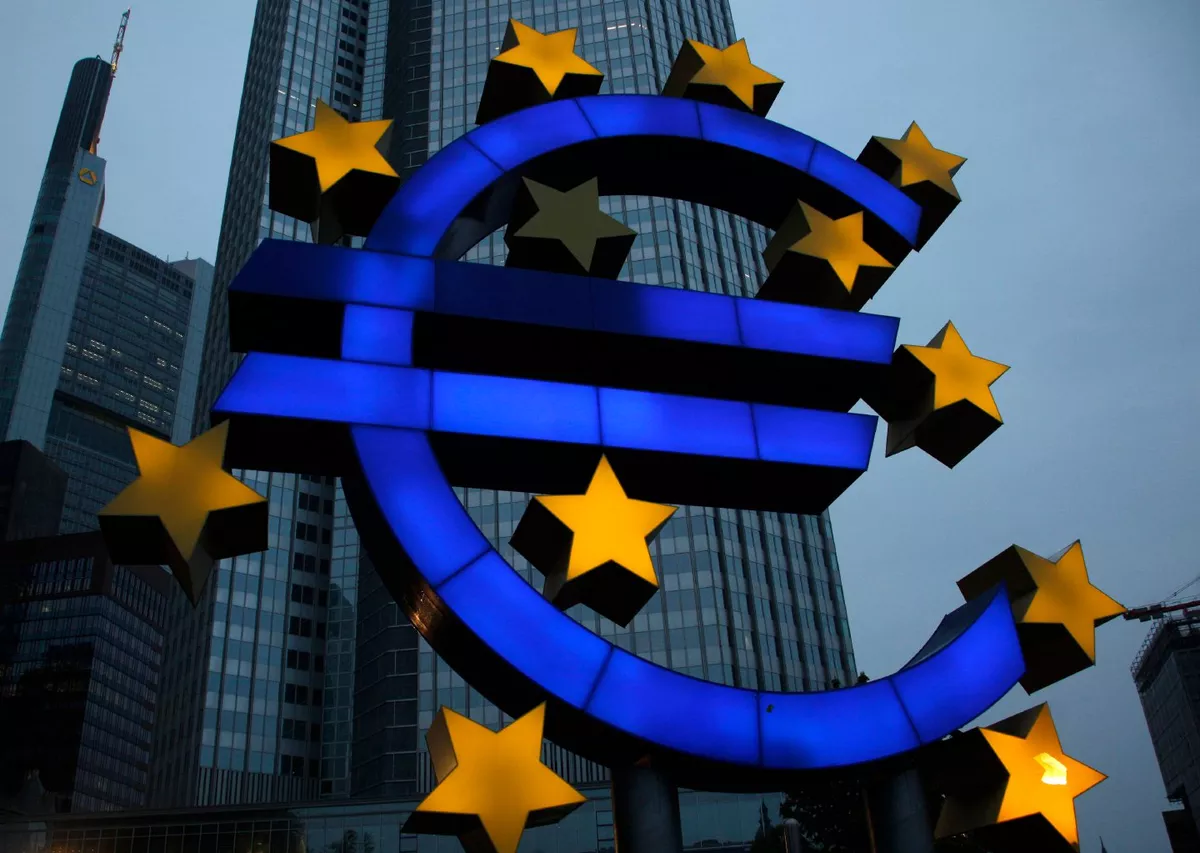
Frankfurt is also an important European financial center and the home of the European Central Bank.
However, Germany’s economic model faces challenges, including demographic pressures, infrastructure investment needs, energy costs, and the need to improve productivity and digital adoption.
Why Finance Must Support the Real Economy
A strong financial sector should not be measured only by the profits of banks or the value of financial assets.
It should also be evaluated by how effectively it finances businesses, supports innovation, enables infrastructure development, and improves productive capacity.
When promising companies cannot obtain financing, they may struggle to expand, hire employees, or commercialize new technologies.
When infrastructure investment is delayed, businesses may face higher costs and lower productivity.
When capital is allocated inefficiently, economic growth can suffer even if the financial sector itself remains large.
Financing Small and Medium-Sized Businesses
European small and medium-sized enterprises are central to employment and economic activity, but access to finance varies by country, business size, and stage of development.
Europe could strengthen its financial position by improving access to equity financing, venture capital, growth loans, and alternative financing channels.
This would help innovative companies expand without relying exclusively on traditional bank lending.
Germany’s experience also highlights the importance of connecting financial institutions, technical education, research organizations, and businesses.
The broader lesson is that financial development should translate into higher productivity, stronger companies, and more competitive industries.
5. The Netherlands and the Nordic Countries: Digital Finance and Financial Literacy
Several Northern European countries have developed strong digital public services, sophisticated payment infrastructure, and environments that encourage technological innovation.
The Netherlands has an internationally connected financial sector and a developed payments ecosystem. Nordic countries have also made significant progress in digital banking, electronic payments, and the integration of technology into everyday financial services.
Their experiences show that a modern financial system is not defined only by major banks and stock exchanges. It also depends on how easily people and businesses can access and use financial services.
Digital Finance Can Make Financial Services More Accessible
Digital banking, instant payments, online investment platforms, and financial management applications can reduce transaction costs and simplify financial decisions.
For consumers, these tools can make it easier to monitor spending, compare products, transfer money, and manage savings.
For businesses, digital financial services can accelerate payments, improve cash-flow management, and reduce administrative work.
However, digital access alone does not guarantee good financial outcomes. People still need to understand interest rates, fees, debt obligations, investment risks, and online fraud.
Why Financial Literacy Should Begin at School
Financial literacy is one of the foundations of a more resilient economy.
People who understand budgeting, compound interest, inflation, borrowing costs, and investment risk are better equipped to evaluate financial decisions.
European countries could strengthen financial education by incorporating practical financial concepts into school curricula and providing accessible educational programs for adults.
A strong program should teach more than definitions. Students should learn how to compare loans, build an emergency fund, understand payslips, evaluate subscription costs, and recognize misleading financial promises.
The goal is not to turn every citizen into an investment professional. It is to help people make informed decisions about the money they earn and the financial commitments they accept.
6. The United Kingdom: Keeping a Competitive Global Financial Center
London remains one of the world’s most influential financial centers, with extensive expertise in international banking, insurance, asset management, foreign exchange, legal services, and capital markets.
Its international connections, concentration of specialized professionals, and established financial infrastructure provide important competitive advantages.
The United Kingdom’s departure from the European Union, however, changed the relationship between London’s financial sector and the EU single market. The consequences differ across financial activities, and London remains globally significant.
Why International Connectivity Matters
Financial centers benefit from networks.
Banks, investors, technology firms, law firms, insurers, and regulators often create more value when they operate in close proximity and can access international markets efficiently.
A country seeking to strengthen its financial sector must therefore think beyond domestic demand.
It needs international talent, competitive infrastructure, reliable regulation, strong professional services, and connections with global capital.
Europe Needs Cooperation as Well as Competition
London’s global position illustrates both the value of financial specialization and the cost of fragmented access to markets.
European countries can compete for investment while still cooperating on cross-border financial services, regulatory standards, market infrastructure, and professional mobility.
The broader opportunity is to make Europe easier to navigate for businesses and investors without eliminating legitimate national differences.
7. The Euro: Strengthening Europe’s International Financial Influence
The euro is one of the world’s major reserve currencies and an important currency for international trade, financial markets, and central bank reserves.
Its international role gives Europe significant economic influence, but the euro’s position also depends on the depth of European capital markets, the availability of liquid and trusted financial assets, and confidence in the institutions supporting the currency.
Why a Strong Currency Is About More Than Its Exchange Rate
A currency’s international strength cannot be judged solely by whether it rises against the dollar.
A currency can appreciate because of temporary market conditions without indicating stronger productivity or better living standards.
Likewise, depreciation does not automatically mean an economy is failing.
International currency influence depends on several factors, including economic size, institutional credibility, financial market liquidity, trade relationships, and the availability of assets that global investors can hold with confidence.
How Europe Could Increase the Euro’s Global Role
Europe could strengthen the international use of the euro by deepening capital markets, improving cross-border investment, increasing the availability of trusted euro-denominated assets, and supporting efficient payment systems.
A more integrated European market could make it easier for international investors to finance businesses and infrastructure across different member states.
However, greater international currency influence is not an objective that should be pursued in isolation. It must be supported by economic fundamentals, sound institutions, and a financial system that can withstand shocks.
8. The European Union’s Biggest Opportunity: Creating a More Integrated Capital Market
One of Europe’s most important financial challenges is the fragmentation of its capital markets.
Although the EU has a large single market, differences in insolvency rules, taxation, securities regulation, supervision, and financial infrastructure can make cross-border investment more complicated than it needs to be.
This can create barriers for businesses seeking capital and investors looking for opportunities across European countries.
What Is a Capital Markets Union?
The capital markets union is an EU initiative intended to make capital markets more integrated and improve the movement of investment across the European Union.
Its broader objective is to help businesses access financing from a wider range of sources and give households more opportunities to invest.
A more integrated market could help European startups grow, support infrastructure investment, and improve the allocation of capital across the region.
Why Integration Matters for European Businesses
Imagine a technology company in Portugal that has developed a promising product and wants to expand into Germany, France, and the Netherlands.
The company may need financing for employees, research, marketing, and international expansion.
If accessing investors across borders involves unnecessary legal complexity, inconsistent procedures, or high administrative costs, the company may find it harder to scale.
A more integrated market could reduce some of these barriers, although access to capital would still depend on the company’s business model, risk, and prospects.
This is especially important because innovative companies often require substantial investment before they become profitable.
Europe’s opportunity is to make it easier for successful companies to grow within the continent rather than seek the majority of their expansion financing elsewhere.
9. How Europe Can Finance Innovation and Compete With the United States and Asia
Europe has strong universities, research institutions, industrial expertise, and advanced engineering capabilities.
Yet scientific excellence does not automatically translate into globally dominant businesses.
Turning research into commercial success often requires risk capital, experienced entrepreneurs, specialized talent, and markets large enough to support rapid growth.
Increase Access to Venture Capital and Growth Financing
Venture capital provides financing to companies with significant growth potential, often in exchange for equity.
It can be especially important for businesses developing software, biotechnology, artificial intelligence, clean energy, and other innovative technologies.
European countries can encourage a stronger innovation ecosystem by supporting competitive investment markets, attracting international capital, improving links between universities and businesses, and reducing unnecessary barriers to scaling companies.
The objective should not be to subsidize every new business or remove all investment risk.
Instead, Europe needs conditions in which promising businesses can access capital, test new ideas, attract skilled workers, and grow when their products succeed.
Make It Easier for Successful Companies to Scale
Europe’s fragmented markets can make it more complicated for businesses to expand across borders.
Differences in national rules, employment systems, tax administration, and consumer requirements can increase operating costs.
Improving the consistency and accessibility of cross-border business procedures could help innovative companies serve more customers without having to rebuild their operations in every country.
Financial markets must also be capable of supporting companies as they move from startup to established international business.
That means improving access not only to early-stage venture capital but also to later-stage financing, public markets, and institutional investment.
10. Sustainable Finance: Turning Europe’s Climate Goals Into Investment Opportunities
<AsyncImageGroup query={[“European offshore wind farm renewable energy turbines”,”European solar energy farm clean technology infrastructure”]} aspectRatio=”5:4″ layout=”carousel” size=”lg”/>
Europe has ambitious climate and energy objectives, and achieving them requires substantial investment in electricity networks, renewable energy, energy efficiency, industrial modernization, and new technologies.
Financial institutions can help direct capital toward these projects, but sustainable finance must be based on credible evidence rather than attractive marketing.
What Is Sustainable Finance?
Sustainable finance refers to financial decisions that consider environmental, social, and governance factors alongside traditional financial considerations.
Depending on the product, this can involve financing renewable energy, improving building efficiency, supporting low-carbon transportation, or evaluating how businesses manage environmental and social risks.
Sustainable investments are not automatically profitable, risk-free, or more ethical in every respect. Their quality depends on the underlying assets, financial terms, measurable outcomes, and transparency of the information provided.
Reduce Greenwashing and Improve Transparency
Greenwashing occurs when a company or financial product creates a misleading impression about its environmental benefits.
If investors cannot distinguish credible projects from exaggerated claims, confidence in sustainable finance can deteriorate.
European countries can strengthen their position by improving disclosure standards, enforcing applicable regulations, and supporting reliable methods for measuring environmental outcomes.
Clear reporting can help investors compare projects and understand what their money is actually financing.
The broader opportunity is to make Europe a leading destination for credible investment in the modernization of energy, transport, buildings, and industry.
11. Banking Regulation: Protecting Consumers Without Blocking Innovation
A competitive financial system requires innovation, but it also needs rules that protect consumers and maintain confidence.
Banks and other financial institutions manage money, provide credit, process payments, and connect savers with borrowers. Failures can have consequences that extend beyond individual companies.
At the same time, unnecessarily complicated rules can increase costs, discourage competition, and make it harder for smaller firms to enter the market.
Find the Right Balance Between Stability and Competition
European policymakers should aim for regulation that is proportionate to risk, consistently enforced, and sufficiently clear for financial institutions to understand their obligations.
Important priorities include protecting customer deposits under applicable guarantee schemes, supervising financial institutions, preventing money laundering, improving cybersecurity, and ensuring that consumers receive clear information about fees and risks.
Regulation should also account for new technologies, including digital assets, artificial intelligence, and open banking.
Why Consumer Protection Supports Financial Leadership
Consumer protection is not simply an obstacle for financial businesses.
When customers understand financial products and trust that misconduct will be addressed, confidence in the system can improve.
Clear pricing, responsible lending, accessible complaint procedures, and effective fraud prevention can help create a healthier market.
Europe’s objective should be to demonstrate that financial innovation and strong consumer protections can coexist.
12. Digital Currencies, Instant Payments, and the Future of European Finance
The way people move money is changing.
Digital wallets, instant transfers, mobile banking, and programmable financial services are transforming how consumers and businesses interact with financial institutions.
Europe has an opportunity to improve the speed, cost, and accessibility of payments while maintaining security and public confidence.
Make Cross-Border Payments Faster and More Affordable
Businesses and individuals operating across European countries may need to send money between different banks, currencies, and payment systems.
Efficient instant payments can reduce delays and improve cash-flow management. They can also make everyday transactions more convenient for consumers.
However, faster payments require strong safeguards against fraud, operational failures, and unauthorized transactions.
Financial institutions and policymakers should focus on making payment systems interoperable, reliable, accessible, and transparent about costs.
What About the Digital Euro?
The European Central Bank has been exploring a digital euro, a potential digital form of central bank money intended to complement cash and existing electronic payments.
A digital euro would differ from private cryptocurrencies and ordinary bank deposits because of its relationship to central bank money.
Its eventual design and implementation would need to address privacy, cybersecurity, accessibility, the role of banks, and potential effects on financial stability.
The broader lesson is that Europe should approach digital money through careful design, public consultation, and clear explanations of its purpose and limitations.
Technological innovation is most valuable when it solves real problems rather than simply introducing a new product.
13. Personal Finance: Helping Europeans Build Long-Term Wealth
Financial leadership is not measured only by the performance of financial institutions or the size of stock markets.
It also depends on whether households can manage their money, withstand financial shocks, and participate in long-term economic growth.
European countries differ significantly in household wealth, pension arrangements, housing costs, financial knowledge, and access to investment products.
There is therefore no single household financial model that works equally well everywhere.
Encourage Regular Saving and Long-Term Investment
Governments, employers, and financial institutions can help people make informed financial decisions by improving access to clear information and appropriate financial products.
Examples include workplace pension education, low-cost diversified investment options, transparent fee disclosures, and practical tools for planning retirement.
The aim should be to help people understand the trade-offs between liquidity, risk, return, and time horizon.
Teach Financial Skills Throughout Life
Financial education should not end when someone leaves school.
Young adults may need to learn about budgeting, student debt, rent, and credit cards. Families may need guidance on insurance, mortgages, and saving for education. Older adults may need information about retirement income, fraud prevention, and managing investments.
Accessible financial education can help people make better decisions at every stage of life.
However, education must be accompanied by fair financial products and responsible institutions. Consumers cannot be expected to solve every problem through individual knowledge alone.
14. Financial Inclusion: Making Europe’s Financial System Work for Everyone
A sophisticated financial sector can still leave people behind.
Some households struggle to obtain affordable credit, access suitable banking services, build savings, or understand the financial products available to them.
Financial exclusion can also affect small businesses, rural communities, migrants, older adults, and people with limited digital access.
Expand Access to Fair and Appropriate Financial Services
European countries can improve financial inclusion by ensuring access to basic payment accounts, supporting digital accessibility, strengthening consumer protections, and improving financial education.
Affordable services matter, but so does suitability. Giving someone access to expensive credit without the ability to repay it does not create lasting financial security.
Responsible financial inclusion should help people participate in the economy without exposing them to avoidable risks.
Protect People From Digital Financial Crime
As financial services move online, fraudsters increasingly use impersonation, phishing, fake investment opportunities, and social engineering to target consumers.
Financial institutions should invest in fraud detection, clear customer communication, and effective account security.
Consumers should also learn to verify payment requests, protect authentication credentials, and independently confirm investment offers before transferring money.
A financial system cannot become a trusted global reference if its users do not feel confident that their money and personal information are protected.
15. The Biggest Obstacles Europe Must Overcome
Europe has substantial strengths, but becoming a stronger global financial leader will require addressing structural weaknesses.
Fragmented Markets and Different National Rules
Differences in taxation, insolvency procedures, market infrastructure, and financial supervision can make cross-border investment more complicated.
Greater integration could improve efficiency, but it requires political cooperation and careful attention to legitimate national differences.
Weak Productivity Growth in Parts of Europe
Long-term financial strength depends partly on the economy’s ability to produce more value from its workforce, capital, and technology.
Investment in infrastructure, research, skills, energy systems, and digital transformation can help improve productivity.
However, funding alone is insufficient. Projects must be well designed, effectively implemented, and evaluated against their economic costs and benefits.
Demographic Change and Pension Pressures
Many European countries face aging populations and increasing pressure on pension and healthcare systems.
These trends can affect public budgets, household savings, labor markets, and long-term investment needs.
Potential responses include improving productivity, supporting labor-force participation, encouraging appropriate retirement saving, and adapting public systems to demographic realities.
Competition for Talent and Investment
Europe competes internationally for financial professionals, technology specialists, entrepreneurs, and investment capital.
Attracting them requires more than favorable tax rates. It also depends on career opportunities, research infrastructure, housing affordability, quality of life, regulatory clarity, and access to international markets.
Maintaining Trust During Economic Shocks
Financial leadership is tested during crises.
Banking failures, inflation, geopolitical tensions, cyberattacks, and market volatility can challenge even advanced economies.
Europe must continue strengthening financial supervision, crisis preparedness, cybersecurity, and cooperation among relevant national and European institutions.
16. A Practical Roadmap: Seven Steps Toward European Financial Leadership
What would a realistic strategy look like?
Rather than relying on a single policy, European countries could pursue several complementary priorities.
Step 1: Deepen European Capital Markets
Reduce unnecessary barriers to cross-border investment, improve access to equity financing, and make it easier for companies to raise capital across the EU.
Step 2: Improve Financial Education
Integrate practical financial skills into education and make reliable resources available to adults throughout their lives.
Step 3: Support Innovation and Business Growth
Strengthen access to venture capital, growth financing, research partnerships, and international markets.
Step 4: Modernize Financial Infrastructure
Improve payment systems, cybersecurity, digital identity services, and the interoperability of financial technology.
Step 5: Strengthen Trust and Transparency
Maintain effective supervision, clear product disclosures, credible sustainability reporting, and strong protections against financial crime.
Step 6: Mobilize Savings for Productive Investment
Create conditions in which household savings and institutional capital can support viable businesses, infrastructure, and long-term economic development.
This should be done without forcing households into unsuitable investments or neglecting the need for accessible emergency savings.
Step 7: Measure Results Instead of Promises
Track outcomes such as business access to financing, cross-border investment, productivity, financial inclusion, fraud losses, consumer understanding, and the cost of financial services.
Clear measures would help policymakers identify what is working and adjust policies that fail to produce the intended results.
17. What Could Europe Look Like If These Changes Succeed?
Imagine a European financial system in which a small company in Spain can raise capital from investors across the continent without unnecessary administrative barriers.
A worker in Poland can access clear information about pension options and compare long-term savings products with confidence.
A business in Italy can receive cross-border payments quickly and at a transparent cost.
An innovative company in Finland can obtain the financing needed to commercialize a promising technology.
A family in Portugal can access appropriate financial education, build emergency savings, and understand the risks associated with borrowing.
These examples describe a possible direction, not a guaranteed outcome.
Achieving it would require investment, institutional cooperation, consistent implementation, and policies adapted to different national circumstances.
But the underlying principle is straightforward: Europe’s financial system should make it easier for capital, knowledge, and productive ideas to move toward opportunities that create long-term value.
Frequently Asked Questions About European Finance
Which European Country Is the Best Example of Financial Success?
There is no single answer because countries specialize in different areas.
Switzerland is associated with wealth management and financial services, Luxembourg with international investment funds, Germany with industrial finance and a major euro-area financial center, and the United Kingdom with globally connected financial markets.
The Netherlands and Nordic countries also offer valuable examples in digital services and financial innovation.
The best model depends on which outcome is being evaluated.
Why Is London Still Important to Global Finance?
London benefits from a deep concentration of financial institutions, international professional services, experienced talent, and established market infrastructure.
Although Brexit changed its relationship with the EU single market, London continues to play an important role in international banking, insurance, foreign exchange, and capital markets.
Could the Euro Become More Influential Than the US Dollar?
The euro could strengthen its international role, but overtaking the US dollar would be a substantial challenge.
Global currency influence depends on the size and resilience of the economy, the depth and liquidity of financial markets, institutional confidence, and the availability of assets that international investors consider reliable.
Improving European capital market integration and increasing the availability of trusted euro-denominated investments could support the euro’s international role, but the outcome is uncertain.
How Can European Countries Attract More International Investment?
Countries can improve their attractiveness through predictable regulation, reliable infrastructure, skilled workforces, competitive business environments, effective public institutions, and access to large markets.
Tax policy can matter, but investors also consider political stability, operating costs, talent availability, productivity, and the long-term prospects of the economy.
Why Is Financial Education Important for Economic Growth?
Financial education can help households make more informed decisions about saving, borrowing, investing, and managing risk.
At the broader economic level, informed consumers can support healthier financial markets and make better use of appropriate financial products.
However, financial education works best alongside fair regulation, transparent products, and access to suitable financial services.
What Can Other Countries Learn From Europe?
Other countries can study Europe’s experience with consumer protection, financial regulation, pension systems, digital payments, international financial centers, and cross-border economic cooperation.
They should adapt these lessons to their own institutions and economic conditions rather than copying individual policies without considering local circumstances.
Conclusion: Europe’s Opportunity to Become a Global Reference in Finance
Europe already possesses many of the foundations needed for global financial leadership: established financial centers, skilled professionals, substantial household savings, sophisticated institutions, advanced industries, and a large integrated market.
But these advantages do not guarantee future success.
To strengthen its position, Europe needs to improve the connection between savings and productive investment, make capital markets more integrated, support innovative businesses, modernize financial infrastructure, and ensure that financial services remain trustworthy and accessible.
It must also address structural challenges involving productivity, demographics, energy, and international competitiveness.
The most important lesson is that financial leadership is not simply about accumulating wealth. It is about creating a system that allocates capital effectively, encourages innovation, manages risk, and improves economic opportunities for people and businesses.
If European countries combine their individual strengths with deeper cooperation, they could strengthen the continent’s role in international finance while supporting a more productive and resilient economy.
The question is no longer whether Europe has valuable financial institutions. It is whether Europe can use its collective resources to build a financial system that is more integrated, innovative, competitive, and trusted around the world.
That is the opportunity—and the challenge—of Europe’s financial future.